Meal planning
How Do You Meal Plan When You Hate Washing Dishes?
NutritionMe Team • 10/12/2026
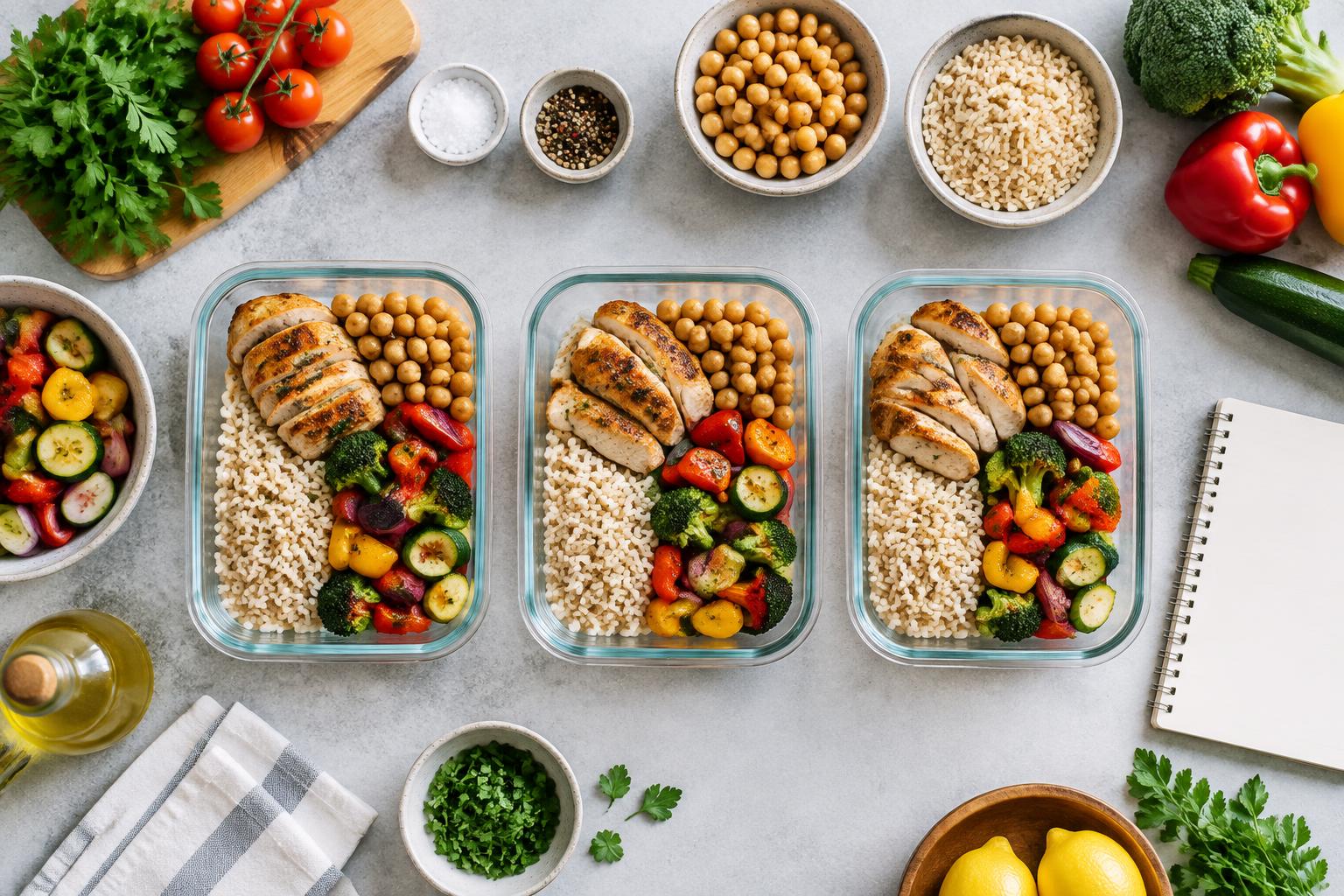
To meal plan when you hate washing dishes, choose dinners by the equipment they need, not just how quickly they cook. Build your week around one-pot meals, sheet-pan dinners and assembly meals, then skip side dishes and preparation steps that create extra washing.
Quick answer
- Give each dinner a cleanup budget: one cooking vessel and minimal prep equipment.
- Check the full recipe for hidden bowls, colanders, blenders and extra pans.
- Choose ingredients that can go straight from their packaging into the meal.
- Serve from the cooking vessel instead of transferring food to serving dishes.
- Plan one easy assembly dinner for the night you least want to cook.
What makes a meal genuinely low-cleanup?
A 15-minute recipe can still leave you with a crowded sink. Cooking time and cleanup effort are different things, so look at both before adding a meal to your plan.
Count everything the recipe asks you to use. A supposedly simple dinner might require a pot for rice, a skillet for the main dish, a bowl for sauce and a board for chopping. That may be worthwhile sometimes, but it is not a low-cleanup evening.
Use this practical test when choosing recipes:
- Can the main ingredients cook in the same vessel?
- Can you mix the sauce directly in that vessel or in your eating bowl?
- Does the meal need a separate cooked side?
- Will anything leave stuck-on cheese, dried starch or greasy splatter?
Dish count is only part of the picture. A pot that needs a quick wash may be easier than one roasting tray that requires serious scrubbing.
Set a cleanup budget before choosing dinners
Decide what feels manageable on an ordinary evening. For example, your limit might be one pot or tray, one board, one knife and the dishes everyone eats from.
This is a planning tool, not a rule you must follow perfectly. If you enjoy making a more involved meal on Sunday, give that day a bigger equipment allowance. Keep the busiest evening especially simple.
Also account for your kitchen. If you have a small sink or no dishwasher, a huge roasting pan may be more annoying than a compact saucepan. If your dishwasher handles plates easily, serving an assembly dinner on separate plates might be simpler than washing one bulky platter by hand.
Plan for the cleanup you actually dislike, rather than chasing the smallest possible number of dishes.
Build your week around three meal formats
You do not need a collection of special recipes. Start with a few formats that naturally contain the cooking and mess.
One-pot meals combine the main ingredients and cooking liquid in a saucepan or deep skillet. Think tomato pasta with spinach and white beans, chickpea couscous or a hearty vegetable soup. For pasta and grains, follow a tested one-pot recipe so the liquid amount and cooking time work together.
Sheet-pan meals work best when the ingredients finish cooking at roughly the same time. Cut slower-cooking vegetables smaller, or give them a head start. Avoid overcrowding: food needs space to roast, and a packed tray may steam instead. If feeding your household requires two trays, count that honestly in your cleanup budget.
Assembly meals need little or no cooking. Try hummus wraps with shredded carrots, bean tostadas or a snack-style dinner with bread, cheese, vegetables and fruit. These are complete dinner formats, not failed attempts at cooking.
Try this five-dinner low-cleanup plan
This sample menu repeats a few ingredients without requiring you to eat the same dinner every night. Adjust quantities to your household and appetite.
- Monday: One-pot tomato pasta with white beans and spinach. Choose a recipe that cooks the pasta directly in the sauce; serve from the pot.
- Tuesday: Sheet-pan tofu, broccoli and small potato pieces. Start the potatoes first, then add the other ingredients according to the recipe. Season directly on the tray.
- Wednesday: Hummus wraps with shredded carrots and ready-to-eat salad leaves. Assemble on dinner plates instead of setting out a separate preparation platter.
- Thursday: One-pot chickpea couscous with spinach. Use a recipe written for your type of couscous, since pearl couscous and instant couscous cook differently.
- Friday: Microwave baked potatoes with canned beans and shredded cheese. Scrub and pierce the potatoes, use microwave-safe dishes and follow your appliance’s guidance.
The shared ingredients help keep the shopping list focused. Spinach appears twice, beans support several dinners, and potatoes work in two different formats. You still get variety through different textures and seasonings.
Buy ingredients that remove a preparation step
Convenience is most useful when it solves a task you regularly avoid. You do not need to buy everything pre-cut.
Choose one or two targeted shortcuts:
- Shredded cabbage or carrots when grating creates equipment you dislike washing.
- Prewashed greens labeled ready to eat when you want to skip the salad spinner.
- Canned beans when cooking dried beans does not fit your week.
- A prepared sauce when making your own would require a blender.
Compare the extra cost with the amount you will actually use. A large bag of chopped vegetables is not a useful shortcut if half goes unused. Put opened ingredients into the next suitable meal and follow package storage instructions.
For canned ingredients, follow the recipe’s draining or rinsing directions. Do not sacrifice the result just to avoid washing a colander.
Remove hidden dishes from your routine
Small workflow changes often matter more than finding another recipe.
Mix a dressing in the bowl you will eat from, then add the meal ingredients. Season vegetables on the roasting tray rather than tossing them in a separate bowl. Set the cooking pot on a heat-safe trivet for serving instead of transferring dinner to a serving dish.
When preparation involves raw meat, poultry or seafood, keep them and their juices separate from ready-to-eat foods. Wash equipment and surfaces thoroughly before reuse; saving a dish is never worth skipping safe handling.
While dinner cooks, put ingredients away and wash the knife and board if you are finished with them. After serving, let cookware cool enough to handle safely and follow its care instructions rather than leaving residue to dry overnight.
FAQ
Are one-pot meals always the easiest to clean up?
No. A sticky sauce or scorched base can make one pot harder to wash than two lightly used pans. Check the cooking method as well as the equipment list, and favor recipes you can monitor comfortably.
Should I meal prep to reduce dishes during the week?
Only if it reduces your total effort. Preparing a sauce or chopping vegetables for several meals can help, but elaborate batch cooking may create a large cleanup session and many storage containers. Start with one shared task rather than prepping every dinner.
How can I find low-cleanup meals I actually like?
List five dinners you already enjoy, then look for versions with fewer cooking vessels or separate components. Keep your favorite flavors and simplify the method. A sustainable plan should make dinner easier without turning every evening into a compromise.
Take the free NutritionMe assessment to get a personalized meal plan and grocery list in minutes. The two-minute assessment builds around your food preferences, schedule, household size, budget and cooking skill.
Related reading
General nutrition and planning information only. This isn't medical advice and doesn't replace a doctor or registered dietitian.